
How to Lose Weight on a Vegan Diet Naturally
Losing weight doesn’t have to mean starving yourself or following extreme diet plans. In fact, a well-planned vegan diet can help you lose weight naturally — without cutting out entire food groups or feeling constantly hungry. If you focus on whole, nutrient-dense plant foods and build healthy habits, weight loss can become sustainable and long-term. Let’s explore how to do it the right way. Why a Vegan Diet Can Support Weight Loss
VEGAN DIET
2/19/20262 min read
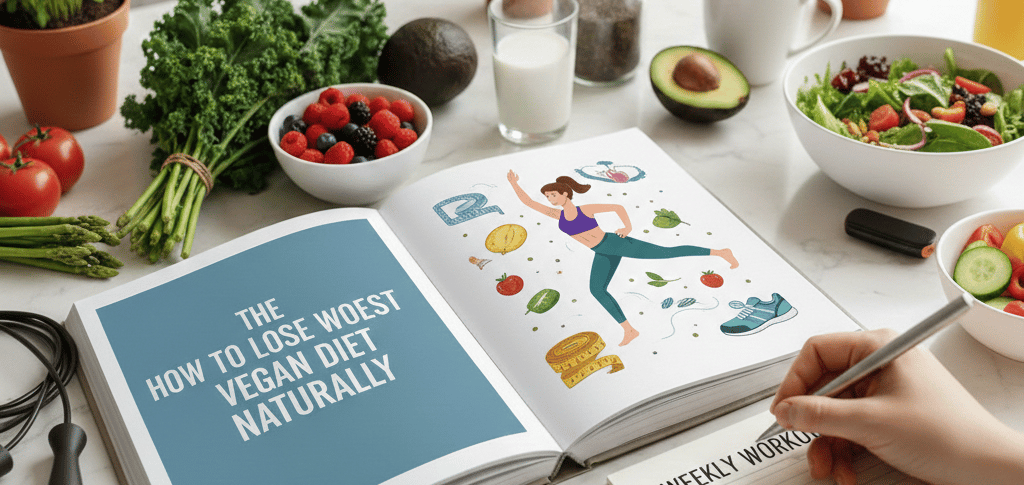
How to Lose Weight on a Vegan Diet Naturally
Losing weight doesn’t have to mean starving yourself or following extreme diet plans. In fact, a well-planned vegan diet can help you lose weight naturally — without cutting out entire food groups or feeling constantly hungry.
If you focus on whole, nutrient-dense plant foods and build healthy habits, weight loss can become sustainable and long-term.
Let’s explore how to do it the right way.
Why a Vegan Diet Can Support Weight Loss
A whole-food vegan diet is naturally:
- Lower in saturated fat
- Higher in fiber
- Rich in vitamins and minerals
- Less calorie-dense than animal-based meals
Fiber plays a big role here. It keeps you full longer, reduces cravings, and helps control your appetite. When you feel satisfied, you naturally eat fewer calories.
But remember — being vegan alone doesn’t guarantee weight loss. The quality of your food matters.
1. Focus on Whole Plant Foods
Not all vegan food is healthy. Vegan cookies, fries, and processed meat substitutes can still be high in calories.
To lose weight naturally, prioritize:
- Vegetables (leafy greens, broccoli, carrots)
- Fruits (berries, apples, bananas)
- Whole grains (brown rice, oats, quinoa)
- Legumes (lentils, chickpeas, black beans)
- Nuts and seeds (in moderate amounts)
Whole foods are filling but lower in calories, helping you stay in a natural calorie deficit without feeling deprived.
2. Eat Enough Plant Protein
Protein is essential for weight loss because it:
- Reduces hunger
- Preserves muscle mass
- Boosts metabolism
Good vegan protein sources include:
- Tofu
- Tempeh
- Lentils
- Chickpeas
- Edamame
- Black beans
Try to include a source of protein in every meal.
3. Control Portion Sizes (Even Healthy Foods)
Yes, even healthy vegan food can cause weight gain if you eat too much.
Be mindful of:
- Nuts and nut butters
- Avocados
- Oils
- Vegan desserts
These foods are nutritious but calorie-dense. Use them wisely.
4. Move Your Body Consistently
Diet is important, but combining it with physical activity gives faster and healthier results.
You don’t need extreme workouts. Start with:
- 30-minute brisk walking
- Bodyweight exercises at home
- Light strength training
- Cycling or swimming
Consistency matters more than intensity.
5. Avoid Common Vegan Weight Loss Mistakes
Many people struggle because they:
- Eat too many processed vegan foods
- Don’t get enough protein
- Drink too many sugary smoothies
- Skip meals and binge later
A balanced, structured approach works best.
Sample Day of Natural Vegan Weight Loss Eating
Breakfast: Oatmeal with chia seeds and berries
Lunch: Brown rice, tofu, and mixed vegetables
Snack: Apple with a small handful of almonds
Dinner: Lentil soup with side salad
Simple, filling, and nutritious.
Final Thoughts
Losing weight on a vegan diet is absolutely possible — and it can be one of the healthiest ways to do it. The key is focusing on whole foods, balanced nutrition, and consistent habits.
If you want a complete step-by-step guide, meal plans, grocery lists, and beginner-friendly strategies…
Get your Vegan Diet eBook today and start your natural weight loss journey the right way.
Don’t guess your way through it. Follow a proven plan and see real results.
Click the link below to grab your copy now and transform your body naturally




CONTACT
Reach out for support or questions anytime
nelsonseehat@gmail.com
© 2026. Nelson Seehat / All rights reserved.