
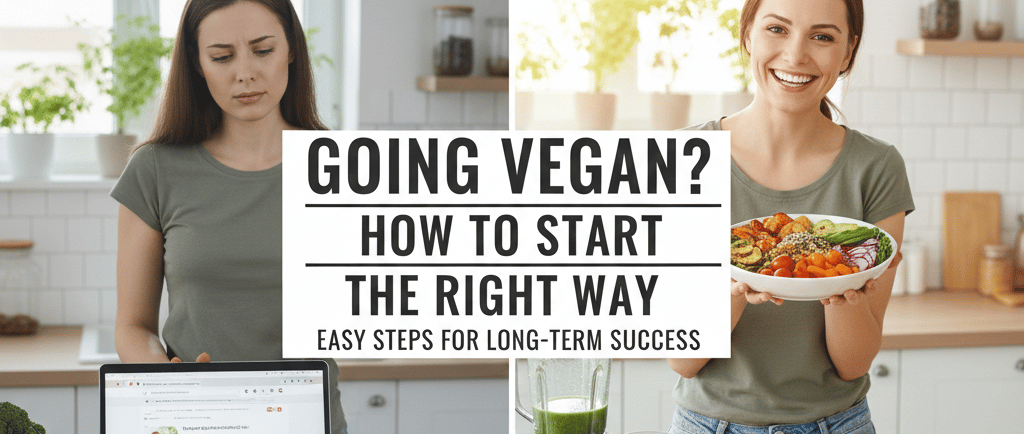
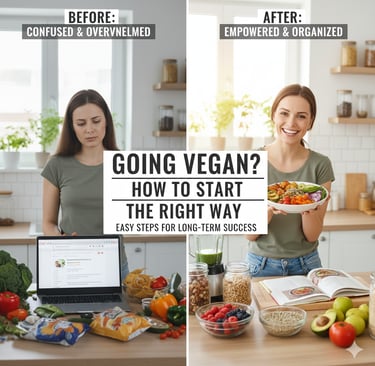
Thinking About Going Vegan? Here’s How to Start the Right Way
Switching to a vegan diet can feel exciting — but also confusing. You might be wondering: - Will I get enough protein? - What should I eat? - Is it expensive? - Will I feel hungry all the time? The good news is this: going vegan doesn’t have to be complicated. When done correctly, it can improve your energy, support weight loss, and help you build healthier eating habits. Here’s how to start the right way — without feeling overwhelmed.
VEGAN DIET
2/20/20262 min read
Thinking About Going Vegan? Here’s How to Start the Right Way
Switching to a vegan diet can feel exciting — but also confusing.
You might be wondering:
- Will I get enough protein?
- What should I eat?
- Is it expensive?
- Will I feel hungry all the time?
The good news is this: going vegan doesn’t have to be complicated. When done correctly, it can improve your energy, support weight loss, and help you build healthier eating habits.
Here’s how to start the right way — without feeling overwhelmed.
1. Understand What “Vegan” Really Means
A vegan diet excludes all animal products, including:
- Meat
- Fish
- Dairy
- Eggs
- Honey
Instead, your meals focus on plant-based foods such as:
- Vegetables
- Fruits
- Legumes (lentils, chickpeas, beans)
- Whole grains
- Nuts and seeds
The goal isn’t just to remove animal products — it’s to replace them with nutritious plant-based options.
2. Start Gradually (You Don’t Have to Go 100% Overnight)
One of the biggest mistakes beginners make is trying to change everything at once.
Instead:
- Start with one plant-based meal per day
- Try “Meatless Mondays”
- Slowly replace dairy with plant-based alternatives
This makes the transition easier and more sustainable.
Remember: progress is better than perfection.
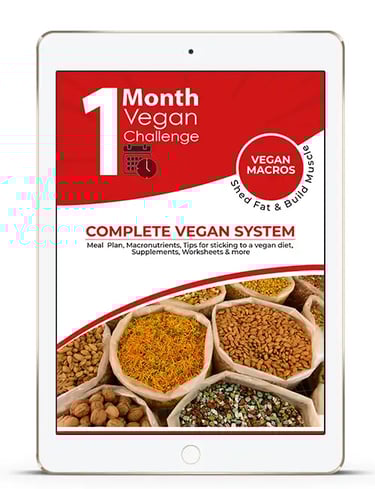
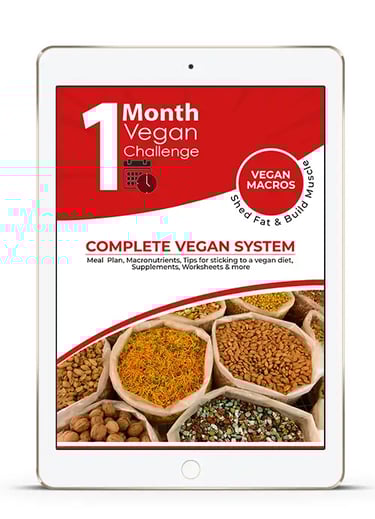
1 Month Vegan Challenge >> CLICK HERE <<
3. Focus on Whole Foods, Not Just “Vegan” Labels
Not all vegan foods are healthy.
Yes, fries and processed snacks can be vegan — but they won’t support your health goals.
Focus on:
- Whole vegetables
- Beans and lentils
- Brown rice or quinoa
- Tofu and tempeh
- Fresh fruits
Whole foods provide fiber, vitamins, and minerals your body needs.
4. Make Sure You’re Getting Enough Protein
A common concern is protein intake.
Great plant-based protein sources include:
- Lentils
- Chickpeas
- Black beans
- Tofu
- Tempeh
- Quinoa
- Nuts and seeds
If you eat a variety of these foods daily, you’ll meet your protein needs naturally.
5. Pay Attention to Key Nutrients
While a vegan diet can be very healthy, you should monitor:
- Vitamin B12 (supplement recommended)
- Iron
- Omega-3 fatty acids
- Calcium
A little planning goes a long way.
6. Plan Simple, Balanced Meals
Keep meals simple at the beginning.
Example:
- Breakfast: Oatmeal with fruits and nuts
- Lunch: Rice bowl with vegetables and tofu
- Dinner: Lentil soup with whole-grain bread
You don’t need complicated recipes to eat well.
7. Be Patient With Your Body
When switching diets, your body may need time to adjust.
Some people notice:
- Improved digestion
- More stable energy
- Better weight control
Consistency matters more than instant results.
Final Thoughts
Going vegan is not about restriction — it’s about making mindful food choices.
Start slowly. Eat balanced meals. Focus on whole foods.
When done properly, a vegan diet can support weight management, improve heart health, and help you feel lighter and more energized.
The key is to start the right way.
Ready to Start Your Vegan Journey the Smart Way?
If you want a simple, beginner-friendly plan that shows you:
- What to eat
- How to balance your meals
- How to avoid common mistakes
- How to lose weight naturally on a vegan diet
Click the link below to watch the full guide ebook and get started today.
CONTACT
Reach out for support or questions anytime
nelsonseehat@gmail.com
© 2026. Nelson Seehat / All rights reserved.